Exploring horror movies as social commentary can seem overwhelming at first, but we hope this guide makes it easier to get started.Browse the different pages to discover how horror films have reflected society’s fears, challenged cultural norms, and sparked conversations about important social issues.
Here are some different types of resources that might be interesting to you.
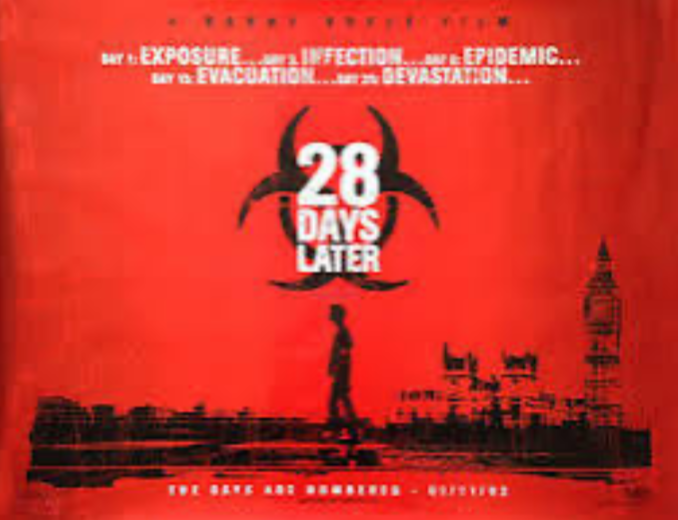
Echeverría-Domingo, J. (2018). The Rise of the Outbreak Genre: 28 Days Later and the Digital Epidemic. English Studies in Canada, 44(3), 49–66. https://doi.org/10.1353/esc.2018.0008
Echeverría-Domingo uses 28 Days Later (2002) to examine societal fears around disease and epidemics. Echeverría-Domingo notes that this film is a turning point for the outbreak horror subgenre, a much more realistic take on horror than the supernatural tropes also seen on screen. Uncover how this influential film dissects the social issues and anxieties of that time and turns real-world concerns into fictional narratives. Published in English Studies in Canada, a peer-reviewed academic journal, this article provides scholarly analysis supported by research in literary and film studies.
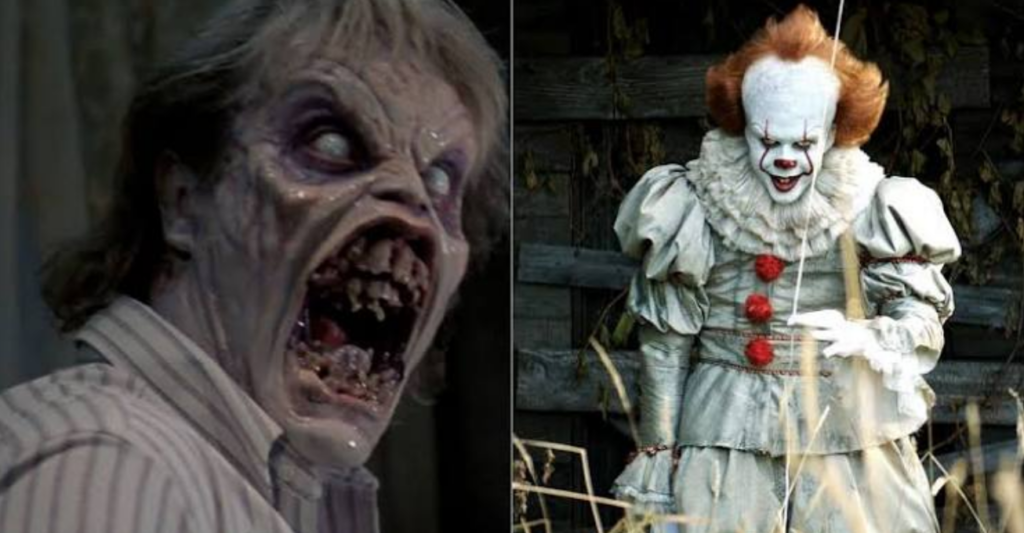
Barnes, Kateryna. “Monsters in modern horror culture reflect social anxieties.” Folio, 2 Dec. 2020, www.ualberta.ca/en/folio/2017/10/monsters-in-modern-horror-culture-reflect-social-anxieties.html.
As a publication from the University of Alberta’s Folio, this article offers a university-based perspective on how horror movies of the 21st century depict unconscious fears and anxieties. Barnes notes that many of these fears revolve around “invasive technology and incurable diseases” (Barnes). This piece also dives into how society reacts to and reflects upon contemporary horror as a whole. The article concludes with a list of 9 recommended movies that depict 9 real-world themes, such as technology, stalkers, and mental health.

Wallace, Frankie. “How Horror Reflects Societal Fears.” The Review Geek, 15 Feb. 2022, https://www.thereviewgeek.com/howhorrorreflectssocietalfears-article/.
This easy-to-follow timeline walks you through horror throughout the last century and the societal fears they reflect and the role they played in how people connected with movies. Early horror mainly contained folklore and supernatural stories, while slasher films became popular in the 70s and 80s. This article explores what society was facing, global concerns, and how that impacted the social themes of the horror genre. Wallace notes the ever-evolving nature of horror movies as societal fears shift. Written by a film writer for The Review Geek, this article draws on film history and criticism to make horror analysis accessible to a general audience.
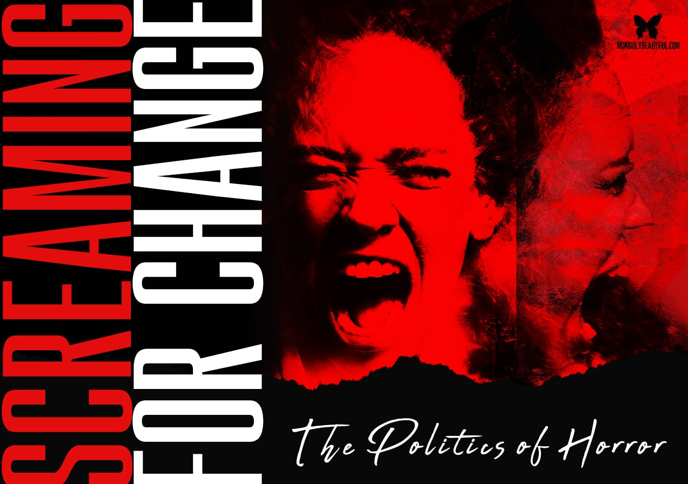
Malone, Stephanie. “Screaming for Change: Why Horror Has Always Been Political.” Morbidly Beautiful, 4 Feb. 2025, https://morbidlybeautiful.com/screaming-for-change-political-horror/.
Published by Morbidly Beautiful, a website dedicated to horror journalism and criticism, the article provides an informed perspective on the cultural significance of horror films.This article looks at the history of horror as a genre that reflects society’s fears and conflicts rather than just creating entertainment. Stephanie Malone discusses how horror filmmakers have used monsters, violence, and supernatural elements as symbols for issues such as racism, oppression, and inequality. It provides historical context and helps explain why many horror films contain deeper meanings connected to social change.
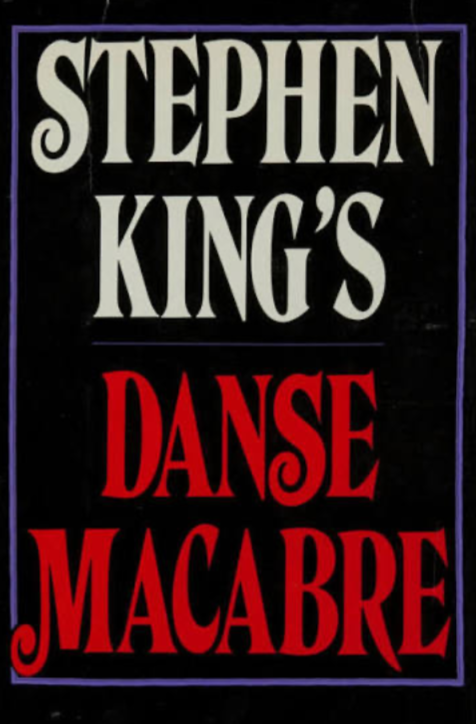
King, Stephen. Danse Macabre. Jc Lattès, 1981.
Written by one of the most influential horror authors of the modern era, this book provides a unique insider perspective from someone deeply connected to the genre. Stephen King explores why people are drawn to horror films and how the genre reflects society’s deepest fears. Using his own experiences as a horror author, this book is part memoir, part cultural criticism, and a guide to the horror genre. King covers the evolution of horror throughout the decades, what the main archetypes of horror represent, and how horror mirrors contemporary issues and concerns. Follow King through this tour of the horror genre to gain a deeper understanding of how horror reflects culture and history.
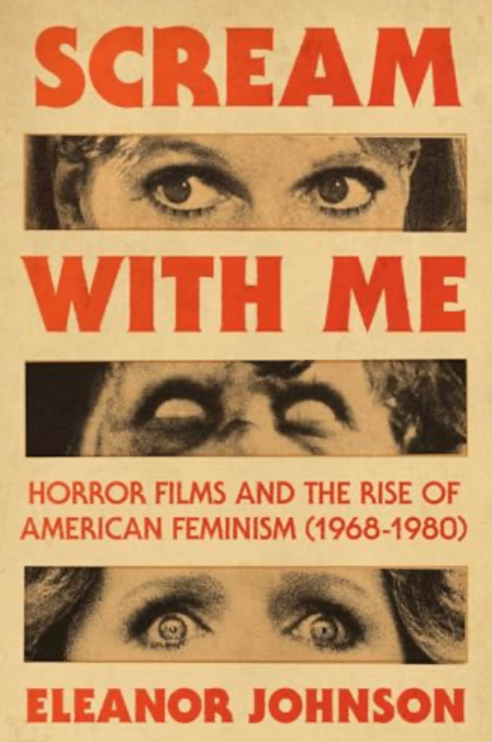
Johnson, Eleanor. Scream with Me. Simon and Schuster, 2025.
Published by Simon & Schuster, a major publishing house, Scream with Me is a feminist film criticism that explores how horror films were not only reflections of social fears, but also representations of gender inequality and real-world issues women face, such as domestic violence, bodily autonomy, and reproductive oppression. Johnson notes the second-wave feminism that arose from deeply political films like Rosemary’s Baby, The Exorcist, Alien, and The Shining. Johnson explores how people of any gender identity, when experiencing fear alongside the protagonists, can promote empathy and awareness of such issues. Though the films discussed are dated, this book was recently published and stands with a 4.1 rating on Goodreads and Fable.
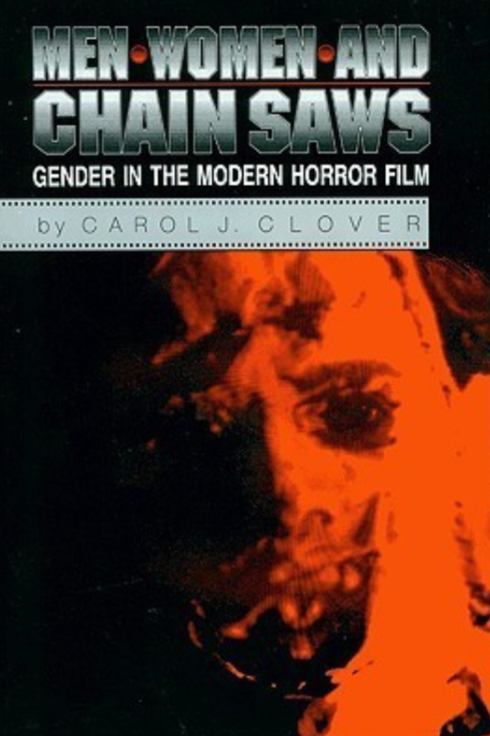
Clover, Carol J. Men, Women and Chainsaws: Gender in the Modern Horror Film. Princeton University, 1992.
Men, Women, and Chainsaws: Gender in the Modern Horror Film looks at how gender plays a role in slasher films. Rather than labelling these films as purely misogynistic, Clover notes that it’s much more complex than that. While many slasher films portray violence against women in particular, there is also a frequent horror trope known as the “final girl” in which there is a female sole survivor. Clover describes how audiences of any gender identity view and relate to the “final girl”. Ultimately, this book examines how horror reflects cultural fears about identity, sex, and power, averaging a 4-star rating on Goodreads and Storygraph. Published by Princeton University Press, this book is considered an important academic work in film studies and has shaped discussions about gender representation in horror.
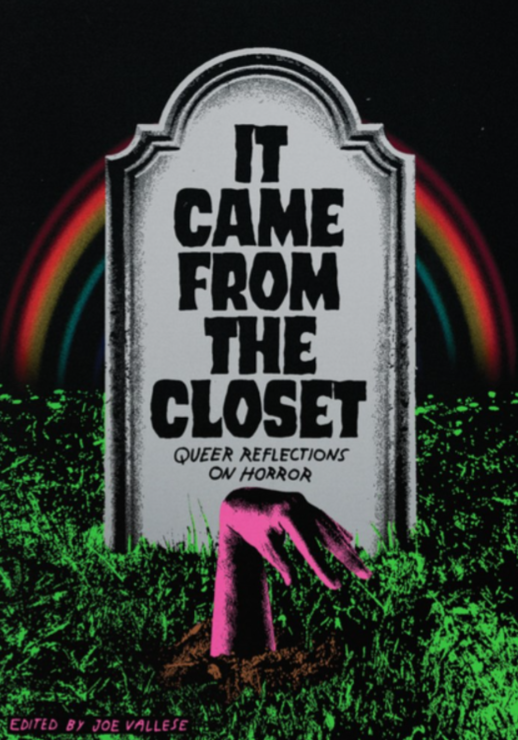
Vallese, Joe. It Came from the Closet: Queer Reflections on Horror. Feminist Press at CUNY, 2022.
It Came from the Closet: Queer Reflections on Horror is published by Feminist Press at CUNY, an established independent publisher focused on social justice and marginalized voices, and it is edited by Joe Vallese. It is an anthology of 25 essays by queer and transgender authors reflecting on how horror movies have influenced their lives. Many authors discuss the complicated relationship between the horror genre and the LGBTQ+ community, as horror frequently villainizes queer people or enforces homophobic and transphobic stereotypes. On the other hand, the authors recognize one major theme in horror: otherness, a feeling many of us in the LGBTQ+ community can connect with. These essays use horror commentary as a lens to examine lived experiences surrounding identity, sexuality, disability, race, and survival. Ranging from classic films to modern favourites, this book offers rich perspectives about the correlation between queerness and horror. Published by Feminist Press at CUNY, an established independent publisher focused on social justice and marginalized voices, this anthology presents perspectives from queer writers and scholars.
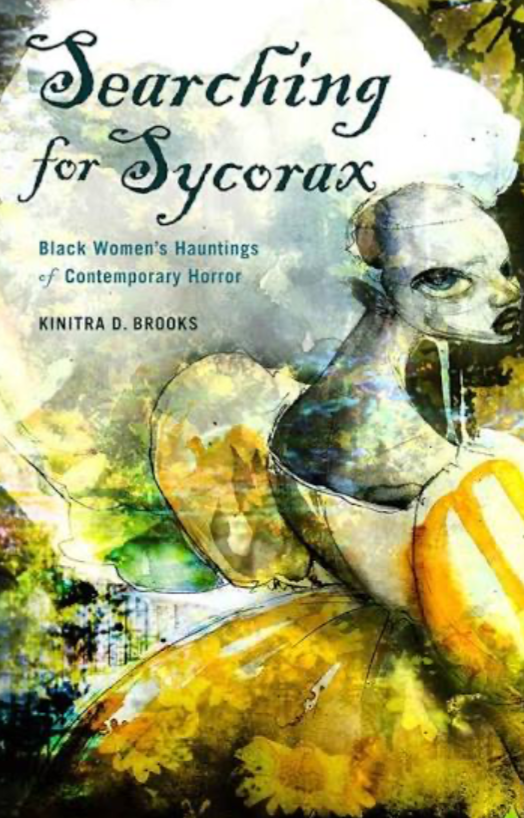
Brooks, Kinitra Dechaun. Searching for Sycorax: Black Women’s Hauntings of Contemporary Horror. Rutgers University Press, 2018.
Published by Rutgers University Press, this scholarly work is grounded in academic research on race, gender, folklore, and representations of Black women in horror. Searching for Sycorax: Black Women’s Hauntings of Contemporary Horror by Kinitra D. Brooks explores how Black women have influenced the horror genre through African folklore, feminist characters, and stories of Black history. Brooks recognizes how the horror genre has deeply stereotyped and underrepresented Black women and how Black filmmakers are producing movies that now centre authentic stories and experiences. Black female writers use the horror genre to critique sexism, racism, harmful stereotypes, and cultural erasure in our society.
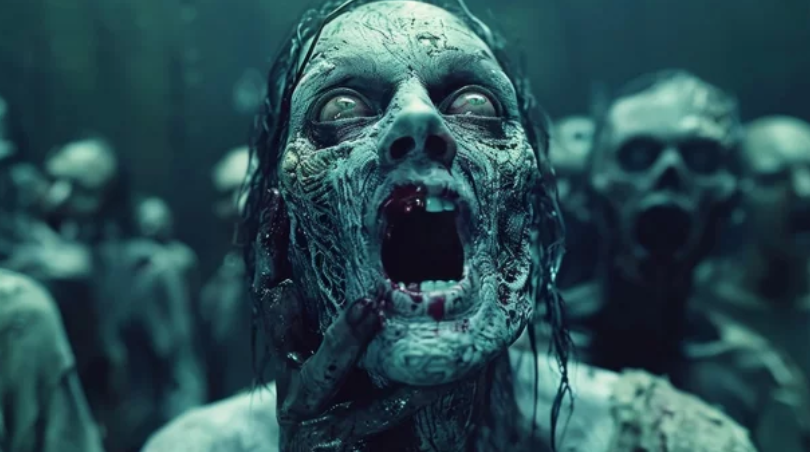
Making Media Matter. “Weapons and the Importance of Political Horror.” YouTube, 19 Aug. 2025, www.youtube.com/watch?v=azOSWSk-Si4.
This video dives into the 2025 film Weapons and the real-world horrors it symbolizes, despite being largely supernatural. The film is widely recognized as an allegory for school shootings and commentary on gun violence as a systemic issue. The creator of this YouTube video, Making Media Matter, explains how the elements from the film, from the title to its imagery, all reflect how people become weapons in our society. Including screenshots and videos directly from the film, as well as the video creator’s external research, this video provides extensive evidence to support the symbolism and deeper themes of this movie.
The Take. “Get Out Explained: Symbols, Satire and Social Horror.” YouTube, 28 May 2017, www.youtube.com/watch?v=ubNKSgdT1FQ.
Unpack the symbolism in Jordan Peele’s social horror Get Out (2017). In this explanation video, posted by a media analysis platform “The Take”, you will be taken through the elements, imagery, and messages throughout the movie and how it portrays today’s racial climate. With scenes directly from the movie and interview clips from the director/writer/producer himself, this video has all you need to fully understand what this movie is about and the fears it represents. From the smallest details you may have missed to larger themes in the movie, this explanation video covers it all.
The Take. “The Rise of the Social Thriller, Explained.” YouTube, 9 May 2020, www.youtube.com/watch?v=hSHQY1n_7aQ.
A full explanation of how social thrillers get under our skin and into our heads. This video is posted by The Take, a well-known video essay channel recognized for producing researched analyses of film, television, and cultural themes. It explains how horror films about humanity hit differently than your average phobia. Learn about how this subgenre got so popular today and how it has evolved throughout the ages.
Donna. “The Socio-political Nature of Horror Movies.” YouTube, 22 Feb. 2023, www.youtube.com/watch?v=NOPGU_uxPDw.
This video essay dives into how the horror genre has always reflected social and political changes, either directly or indirectly. Video creator Donna begins the video by explaining why we are psychologically drawn to horror movies, despite the gore and dread. Horror allows us to process and confront our fears in a brief, indirect setting. Donna includes film examples and quotes from well-known horror authors to expand upon the ideas shared in this video. Dive into horror tropes and recurring monsters that reflect socio-political issues throughout history.
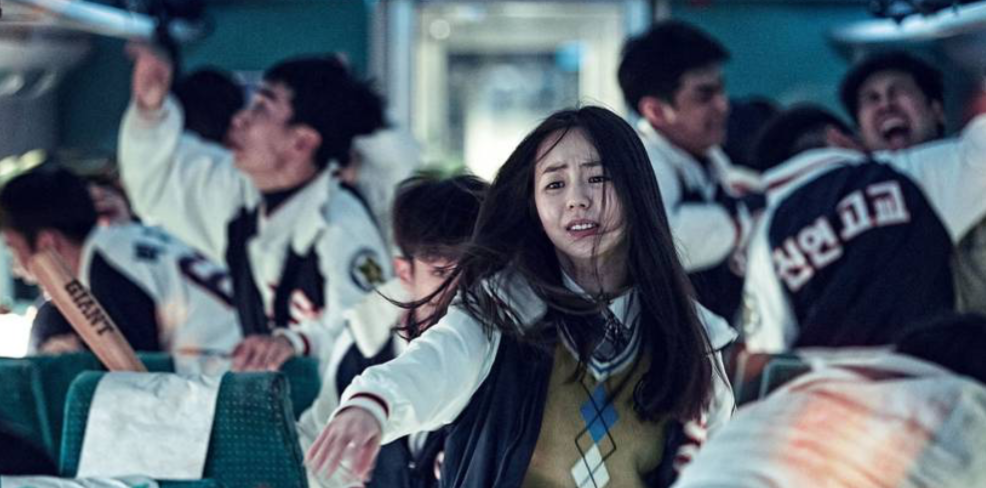
Plot Luck. “Horror Films Expose What Society Is Actually Afraid Of.” YouTube, 29 Oct. 2025, www.youtube.com/watch?v=3Xeqq4oKqes.
Relevancy is a key factor in the production and success of a horror film. Plot Luck describes the horror genre as a “dark mirror” to reflect society’s deepest fears and cultural issues. Follow this journey through the decades to explore how Hollywood’s most influential horror films depict real-world concerns and what it can tell us about modern society. Packed with mini history lessons, this timeline gives you a deeper understanding of the monsters on our screen.
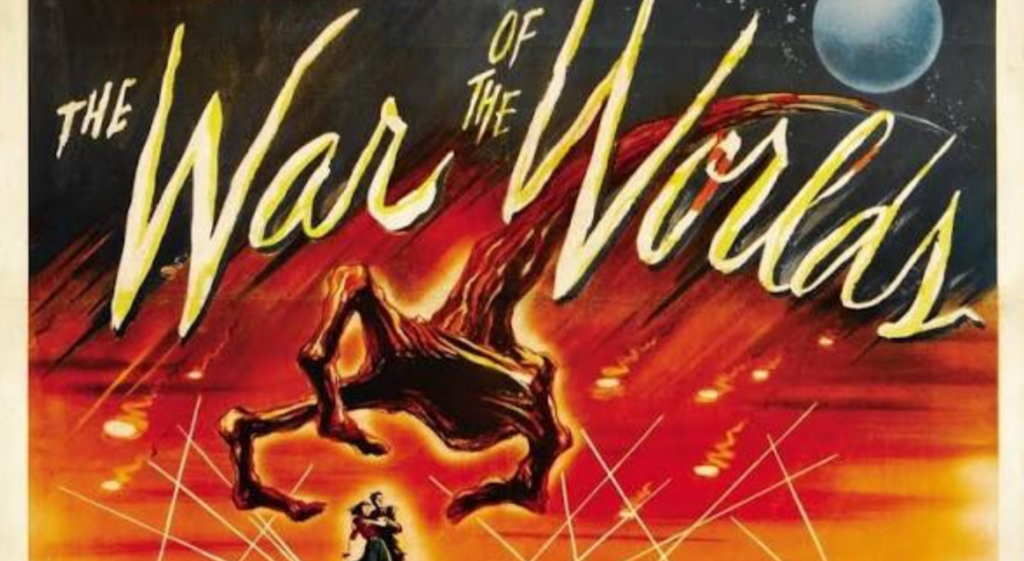
Scripps News. “Horror Films Are a Reflection of Society’s Fears.” YouTube, 17 Aug. 2018, www.youtube.com/watch?v=5BOdLDgNxD4.
This video, posted by an established news organization “Scripps News”, details how horror films differ today compared to a few decades ago. The narrator notes that many current films “hit close to home” and for good reason. Using example movies and their release dates, this video looks at how horror is used to reflect relevant cultural fears. For example, the increase in war films in the 1940s and 50s and themes of monster/alien invasions. Scripps News perfectly explains why we are drawn to horror movies that mirror real-world issues and fears in this quick, digestible video.
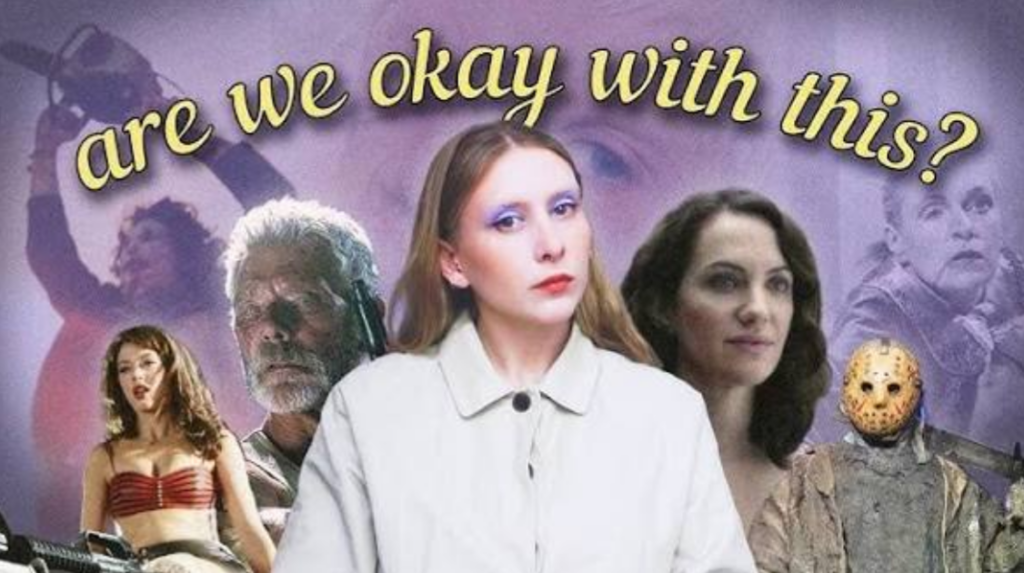
Girl On Film. “Disability in Horror Movies: A Deep Dive.” YouTube, 27 Feb. 2026, www.youtube.com/watch?v=F8IRcUS0-Lw.
This video essay explores how horror movies often display disability in a harmful, “monstrous” way. Girl on Film seeks to answer if these associations are an innocent visualization of fear or a deeper reflection on society’s outlook on disabled individuals and thinly veiled ableism. Many villains have physical characteristics/deformities that make them scary or otherly, however, far too many of these characteristics are real conditions people live with. With chapters like “A Very Brief History ” and ” Exploitation or Exposure?” this extensive video essay covers everything you need to know about how the horror genre represents (and misrepresents) disability which makes it a very important and thoughtful resource.
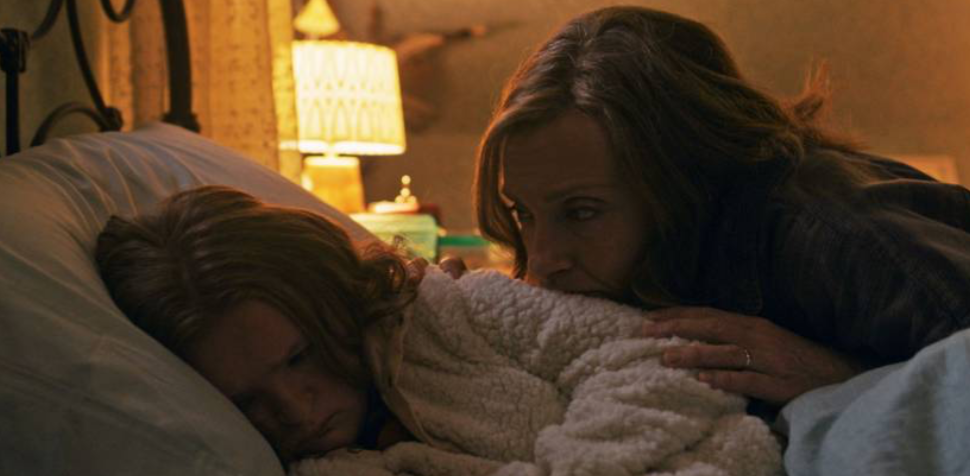
Brown, Aleisha. “10 Best Socially Conscious Horror Movies of the 21st Century.” Collider, 23 Apr. 2023, collider.com/best-horror-movies-with-a-message-21st-century.
This compilation of 10 socially conscious modern horror films is a great place to build your watchlist or find your next pick for movie night. Published by Collider, a recognized entertainment publication, each movie in this list is paired with a short description of the summary and societal concern the movie aims to represent. From capitalism and survival to fractured families and trauma, this diverse list has something for every horror fan.
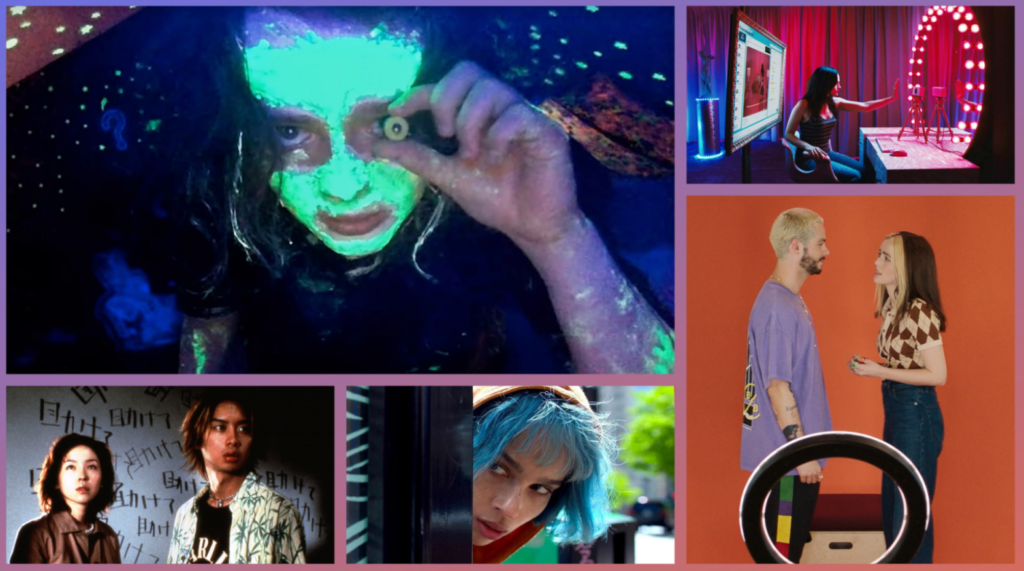
Chapman, Wilson, and Alison Foreman. “The 15 Scariest Movies About the Internet, from ‘Not Okay’ to ‘Searching.’” IndieWire, 9 Apr. 2025, https://www.indiewire.com/gallery/scary-internet-social-media-movies-ranked/mcdspre-ec039-2/.
This IndieWire movie list explores 15 horror and thriller films that use the internet and social media as sources of fear, including movies like Searching, Host, Cam, and Unfriended: Dark Web. The authors explain how these films reflect modern anxieties about technology, online identity, privacy, and the way people interact in digital spaces. It expands the discussion of social commentary in horror beyond traditional topics like race and inequality by showing how horror can also examine technology and internet culture. As an article from IndieWire, a respected film and entertainment publication, it provides useful context for understanding how contemporary horror reflects real-world concerns.
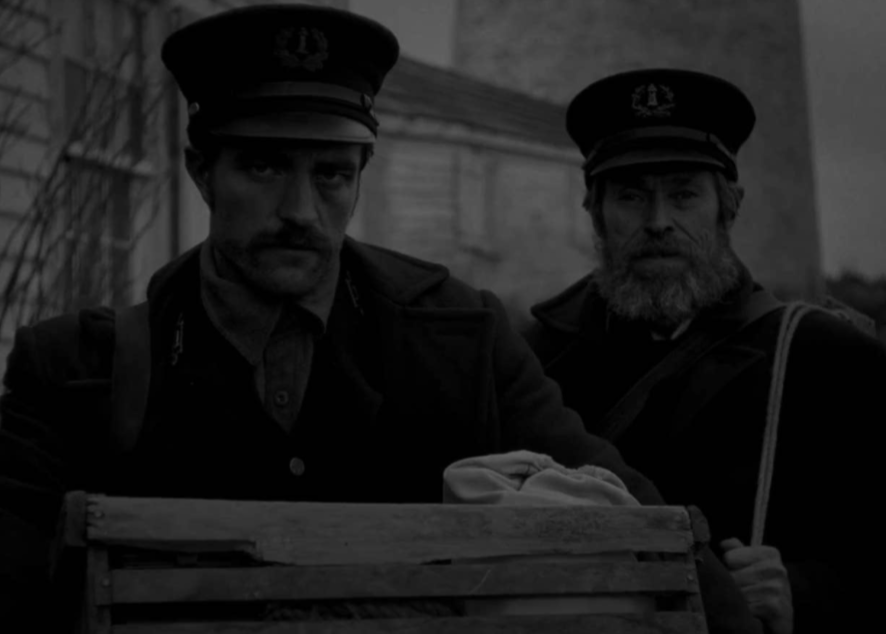
Hayes, Jeremy. “15 Horror Movies With Social Commentary and Deeper Messages.” BuzzFeed, 11 Sept. 2025, www.buzzfeed.com/jeremyhayes/horror-films-with-social-commentary.
Published by BuzzFeed, a widely read media platform, this list provides an accessible overview of socially conscious horror films for general audiences. of 15 notable horror movies that will leave you reflecting on societal issues long after the credits roll. With favourites like Get Out (2017), Midsommar (2019), and Parasite (2019), this is the perfect watch list for those horror novices and fanatics. Each movie title is paired with a brief description about the major themes and representations in the film.
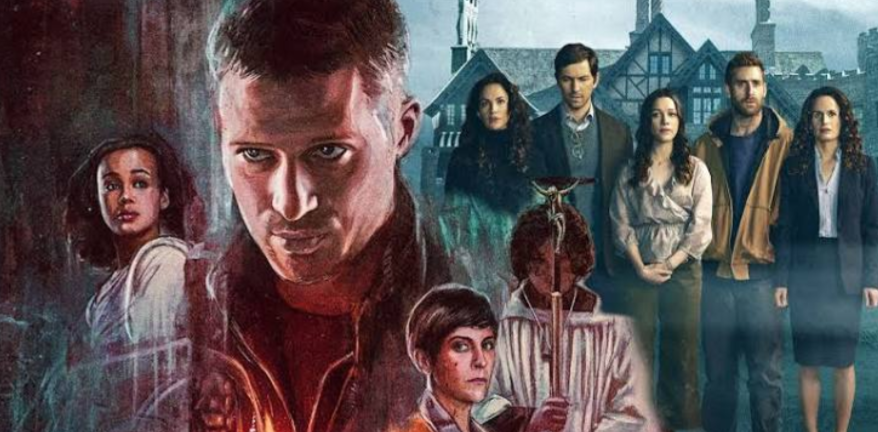
Superhero Ethics. “Mike Flanagan and Horror as Social Commentary.” Apple Podcasts, 15 Oct. 2024, podcasts.apple.com/us/podcast/mike-flanagan-and-horror-as-social-commentary/id1146697314?i=1000673152352.
Dive into the world of horror filmmaker Mike Flanagan with this episode hosted by Superhero Ethics, a podcast focused on ethical discussions in popular culture. Join hosts Matthew Fox and Riki Hayashi as they discuss what makes Flanagan’s work so captivating and monumental. They examine how Flanagan combines supernatural elements to reflect real human experiences, emotions, and fears. Learn more about this filmmaker’s religious background, recurring themes, and how it all plays a role in his social thriller shows and movies.

Horror Heaux Support Group. “Social Commentary Horror.” Horror Heaux Support Group, 15 Feb. 2023, Apple Podcasts, https://podcasts.apple.com/ca/podcast/social-commentary-horror/id1659244033?i=1000599754202.
This podcast episode explores how horror stories, especially those created by Black, Indigenous, and other people of colour, use fear to talk about real social issues like racism, gentrification, and inequality. The hosts discuss books and films such as Get Out, When No One Is Watching, and The Other Black Girl, while sharing their own opinions and experiences. It offers a different perspective from academic sources by showing how readers and horror fans connect these stories to real life. Although it is not a scholarly source, it is useful for understanding how social commentary in horror is discussed by the broader community.
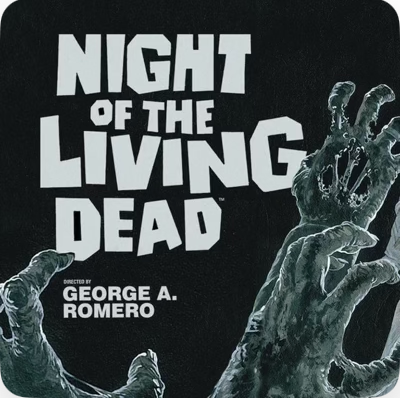
Verbal Diorama. “Night of the Living Dead (1968).” Verbal Diorama, 13 July 2023, Apple Podcasts, https://podcasts.apple.com/ca/podcast/night-of-the-living-dead-1968/id1453296967?i=1000621719469.
This podcast episode discusses George A. Romero’s Night of the Living Dead (1968) and how the film became an important horror classic with social and political meaning. It explores how the movie reflects racial tensions, inequality, and fears present in American society during the 1960s and beyond. Showing how horror films can be used to comment on real-world issues and provides a popular culture perspective on the connection between horror and social criticism, it becomes useful for readers who want to understand the historical impact and deeper meanings behind influential horror films.
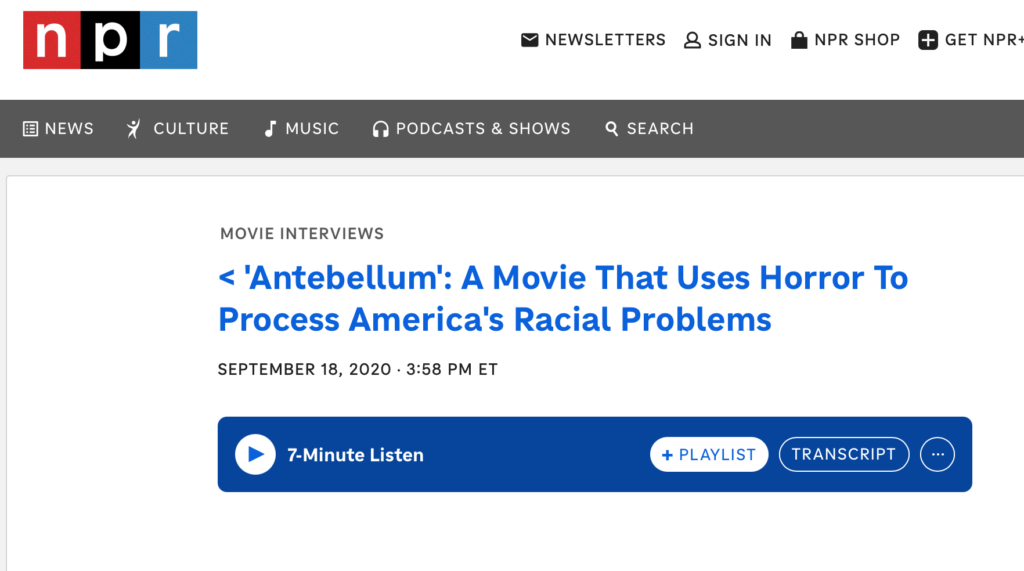
“’Antebellum’: A Movie That Uses Horror to Process America’s Racial Problems.” All Things Considered, 18 Sept. 2020, NPR, https://www.npr.org/transcripts/914519499.
This NPR interview features the writers and directors of Antebellum, Gerard Bush and Christopher Renz, talking about the ideas behind the film and why they chose to tell the story through horror. They explain how the movie connects the history of slavery to the effects of racism that still exist today. It gives readers a better understanding of the filmmakers’ message in their own words. Since it comes from NPR, a trusted news organization, it is a reliable source for learning more about the film and its themes.
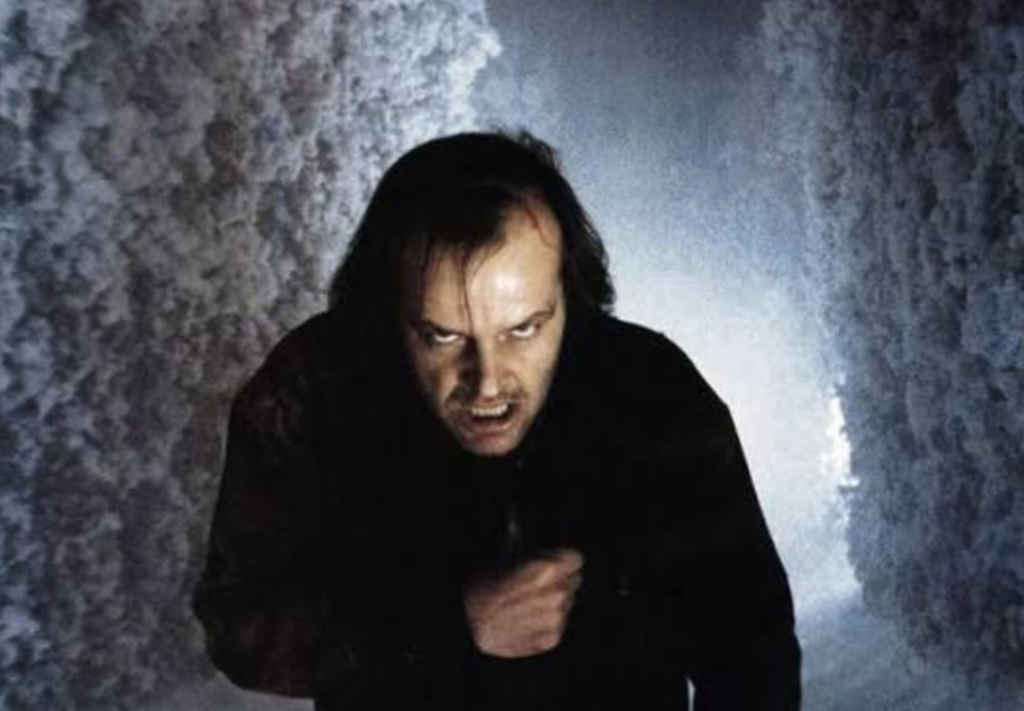
“Why Horror Should Be Taught in Schools.” TikTok, uploaded by Longmirelp, 17 Feb. 2026, vt.tiktok.com/ZS4rbsLg5.
TikTok creator Longmirelp discusses how horror movies teach kids about social and political commentary unlike any other genre. He explains how various horror subgenres, such as feminist horror and black horror, explore what society fears are at the core. They emphasize how our lived experiences provide different perspectives, and that is why horror should be studied by all to understand new perspectives of societal fears. Longmirelp uses an abundance of film examples to support their ideas with movie clips playing on screen.
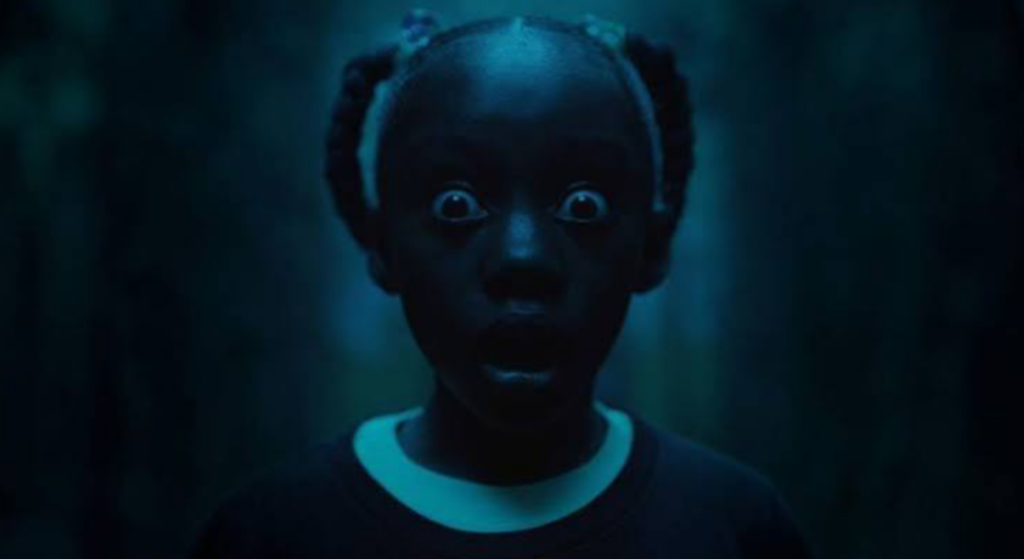
“The Political Nature of Horror Movies Explained.” TikTok, uploaded by Slashertalkhorror, 13 June 2025, vt.tiktok.com/ZS4rb7kn1.
TikToker Slashertalkhorror gives a brief explanation of the political nature of horror films, stating that “the human experience is political”. In just a minute and 30 seconds, Slashertalkhorror provides an abundance of impactful movies and the deeper themes they represent. From corruption, class inequality, economic divide, and bodily autonomy, this video offers a short glance at the political messages you may have missed.
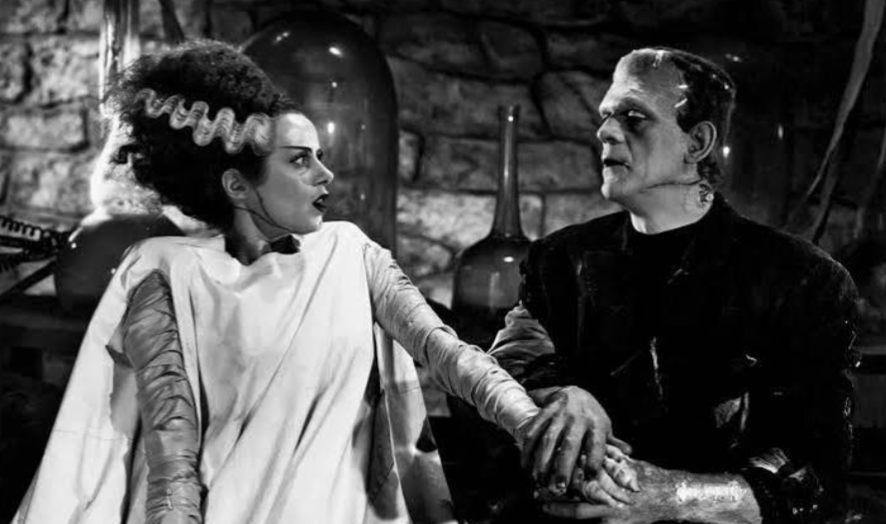
“The Evolution of Horror Films: From the 50s to Today.” TikTok, uploaded by Longmirelp, 16 Mar. 2026, vt.tiktok.com/ZS4rgSABR.
This bite-sized history of horror films takes a look at how society’s concerns and events shape the success of horror movies throughout the decades. Creator, Longmirelp, also dives into how this has influenced today’s horror and the trends horror directors are following. This video also explores how horror connects and represents generational fears. Using specific film examples and movie clips, unlock the greatest fears reflected in today’s movie theatres.
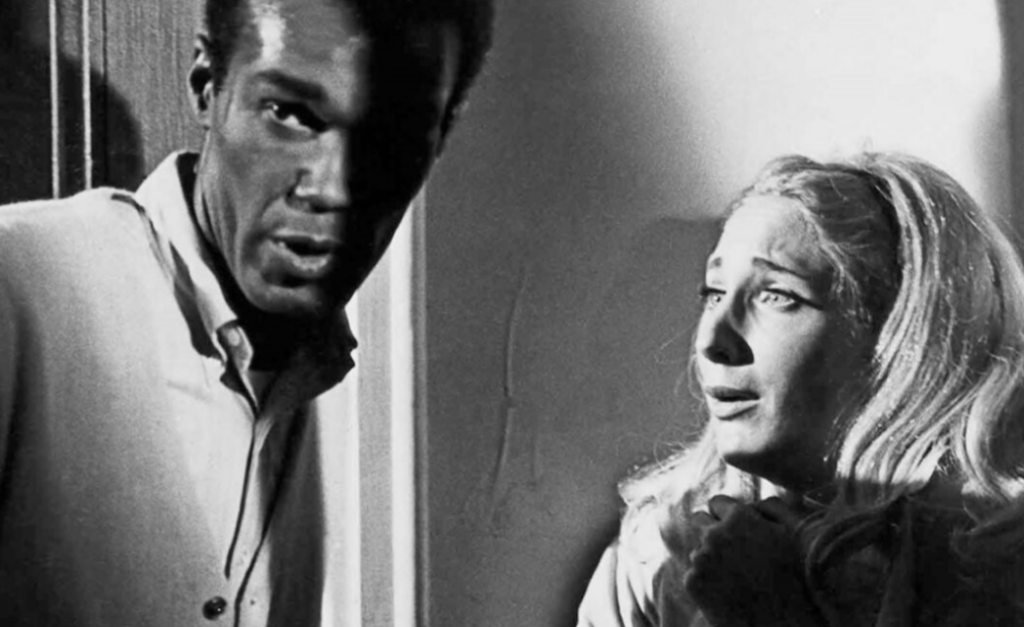
“The 1920s-2010s – How Horror Movies Reflect the Social and Political Climate of Each Decade” TikTok, uploaded by This Place is Evil, 11 Oct. 2024, https://vt.tiktok.com/ZS4rgYCKa/.
Creator This Place is Evil details the decades from the 1920s to the 2010s, what was happening socially and politically around the world, and exactly how that was reflected in horror movies. This timeline provides quick history about events like nuclear war, economic crises, and Roe v. Wade. These events directly impacted what themes were explored in horror movies and can give us insight into the kind of monsters that were portrayed. With movie examples from each decade, this video is a perfect introduction to the horror timeline and how it has evolved.